Weeds and Pests
Weeds
A lawn weed is any plant you didn’t plant. Most common lawn weeds in Australia fall into three groups: grassy weeds, broadleaf weeds, and sedges, and each group needs a different weed control plan.
If your yard is patchy, prickly underfoot, or dotted with yellow flowers and seed heads, you’re not alone.
Heavy rain, shade, foot traffic, and thin turf all open the door to weed seeds blowing in from neighbouring garden beds and gardens. Right?
Here’s the plan we recommend using for lawns:
Identify the weed type (grassy, broadleaf, or sedge).
Match the right product to your grass. Pre-emergent herbicide to stop weed seeds, or post-emergent herbicide to kill what’s already up.
Thicken the entire lawn with a proper feeding so weeds can’t come back.
A thick, healthy, well-fed lawn is the best defence against weed infestation.
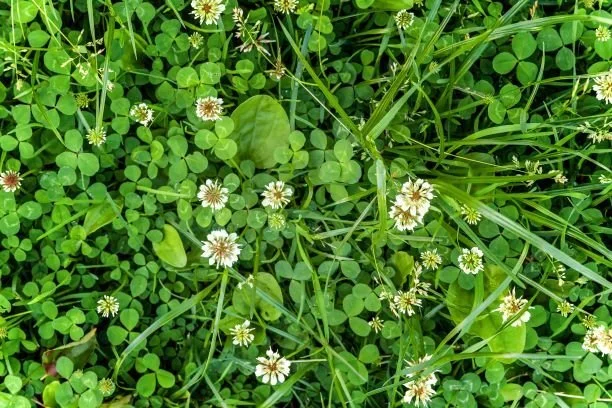
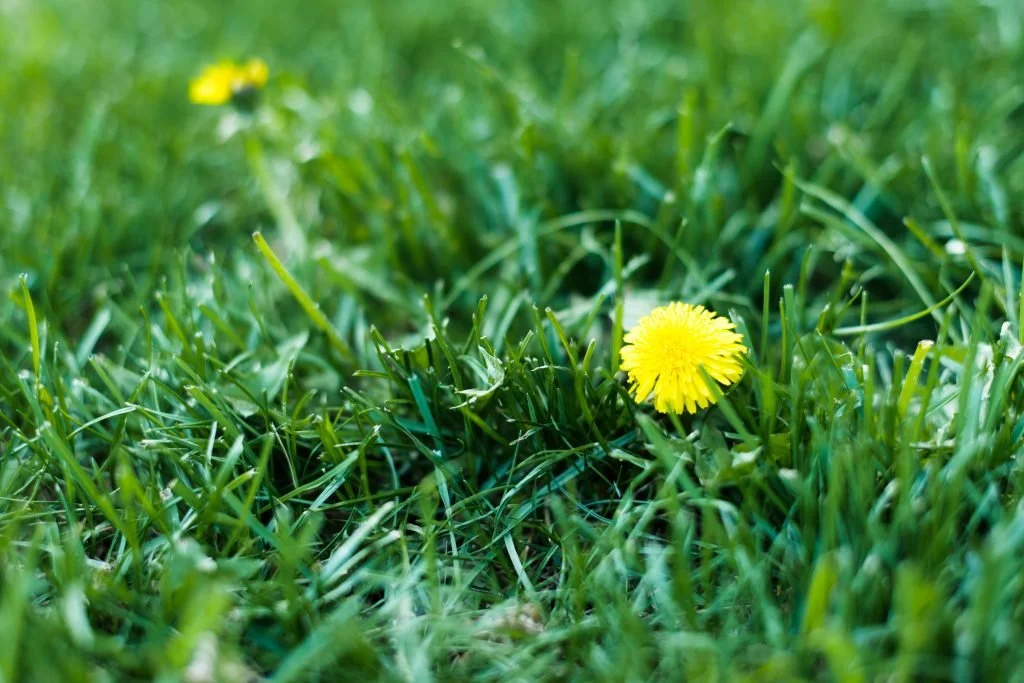
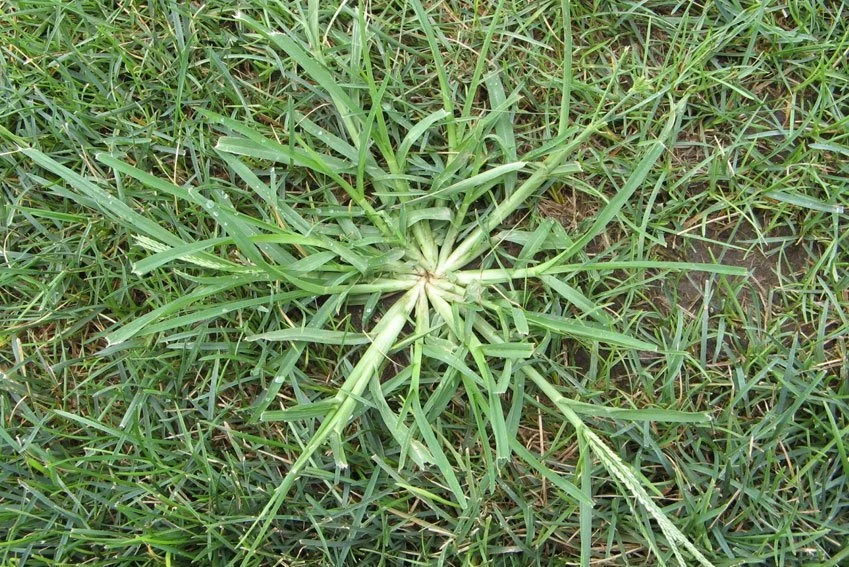
Grassy, Broadleaf or Sedge - How to tell
Weeds are generally grouped into broadleaf, grassy, or sedge groups, and identifying the group is critical for the right management plan.
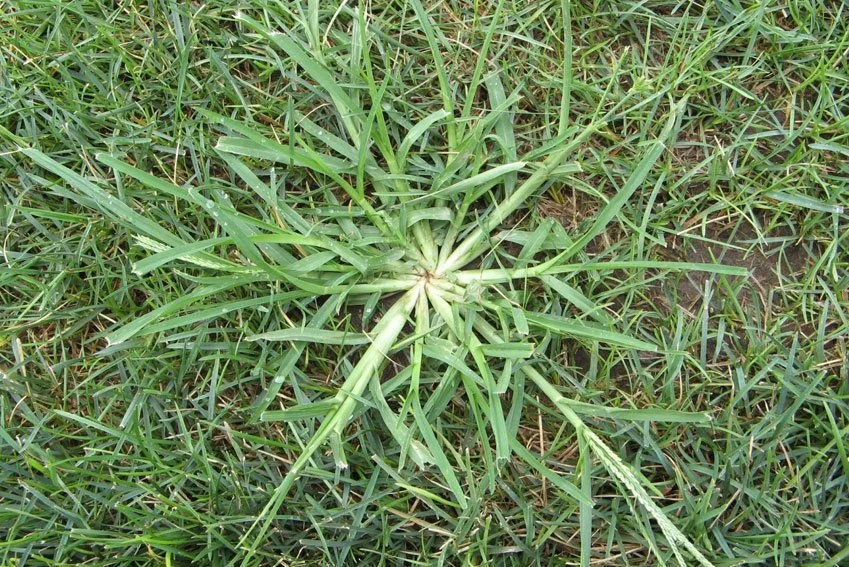
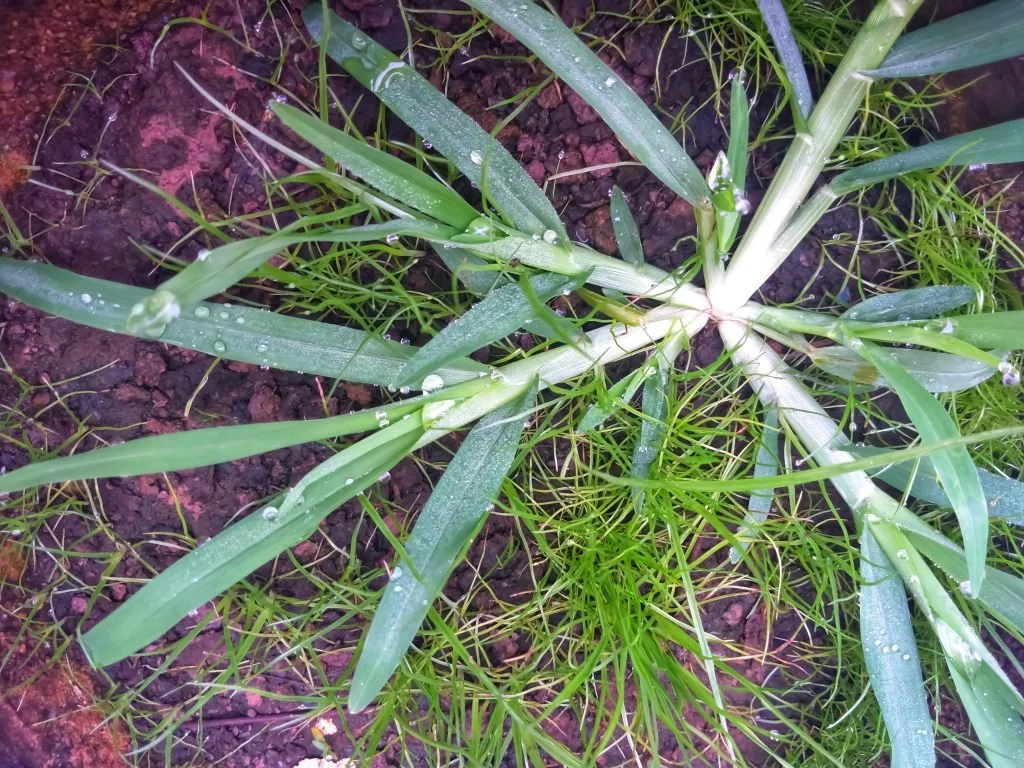
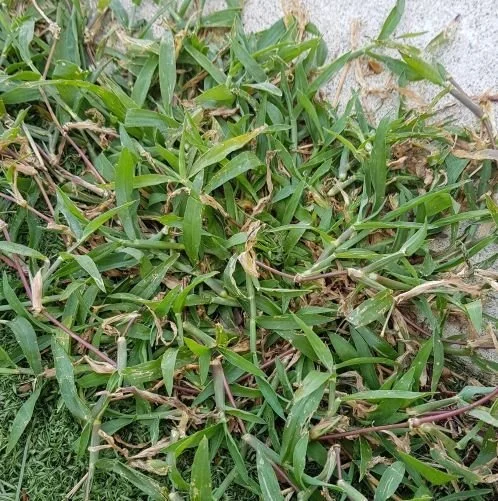
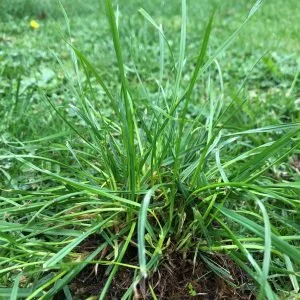
Grassy weeds resemble lawn grass with narrow, blade-like leaves and parallel veins. Think winter grass, summer grass, and crabgrass.
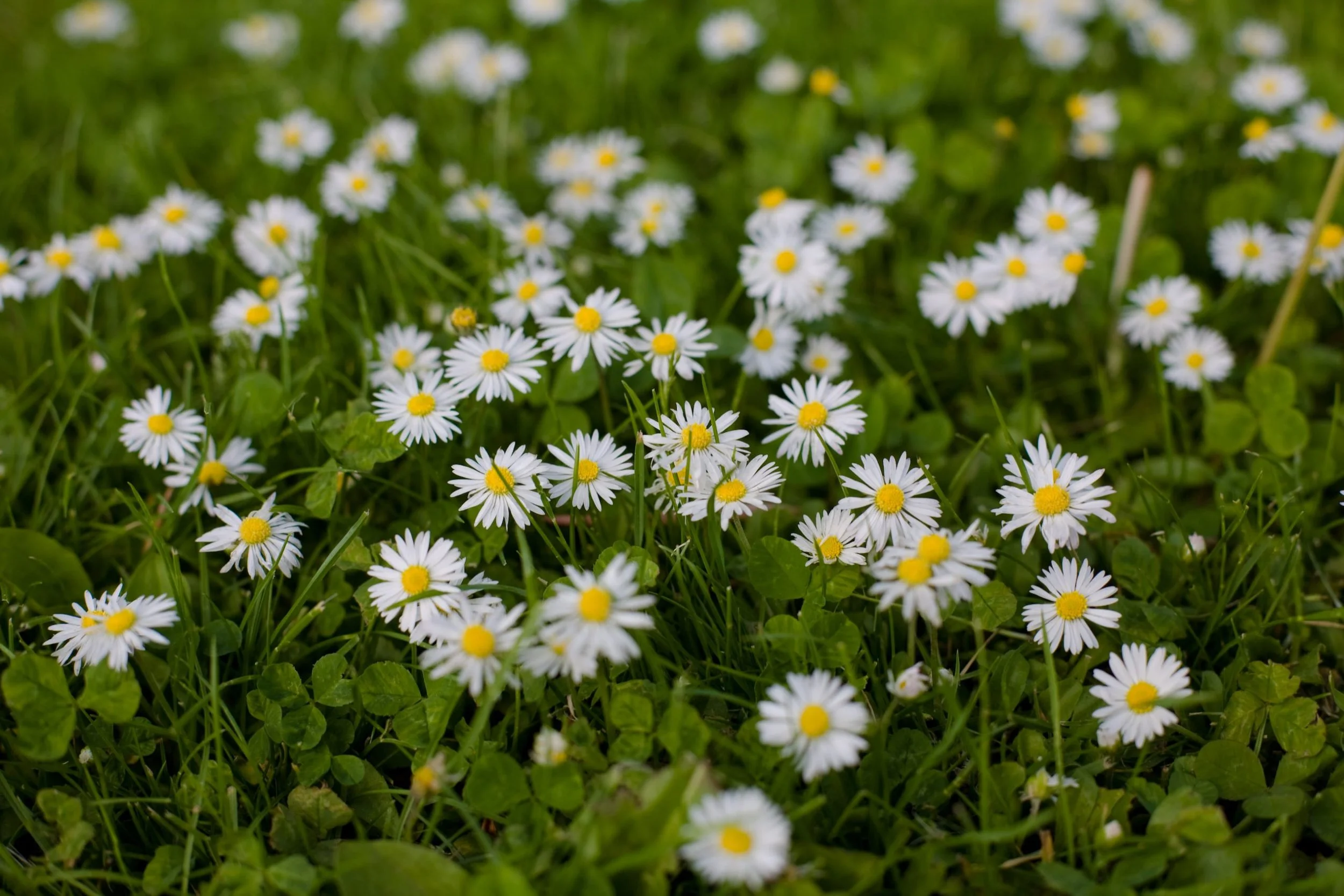
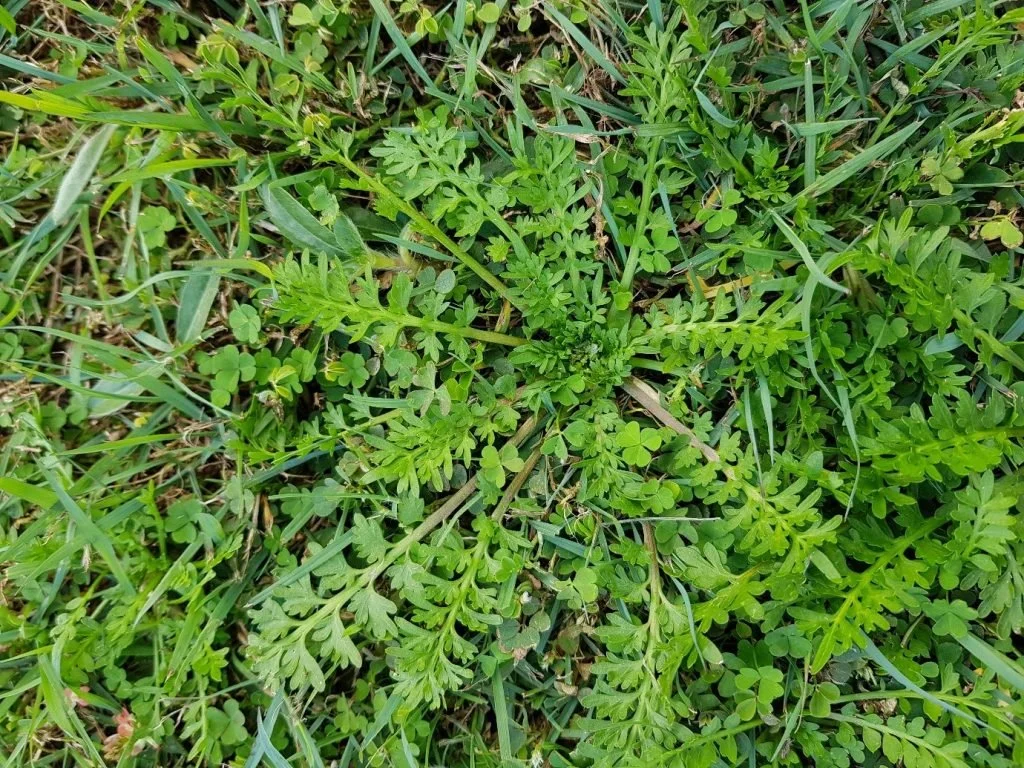
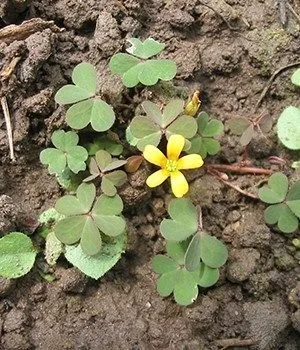
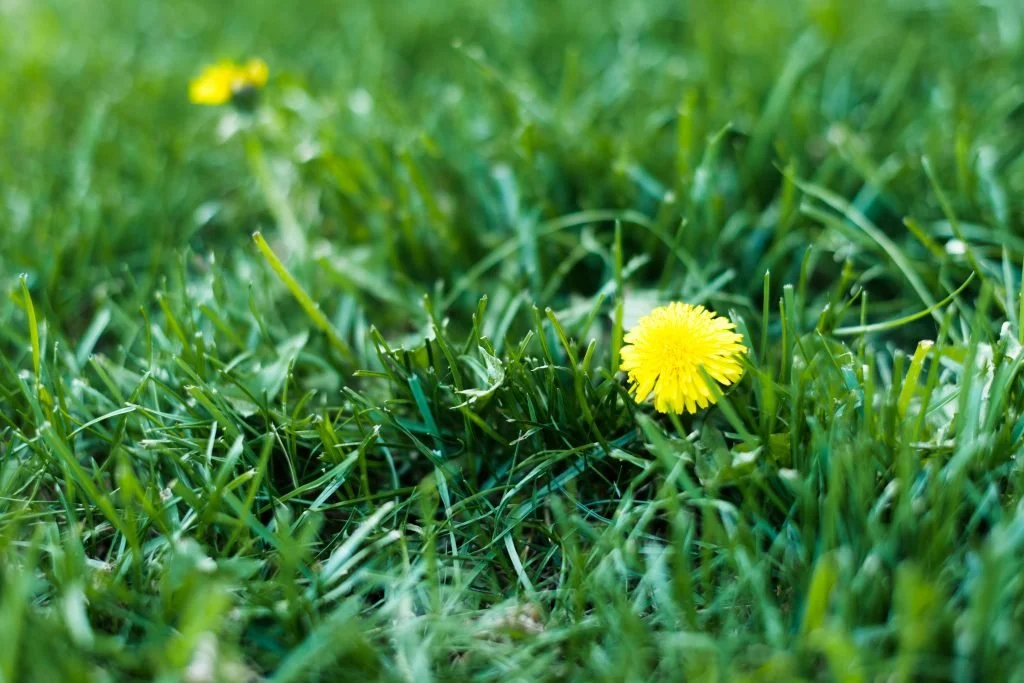
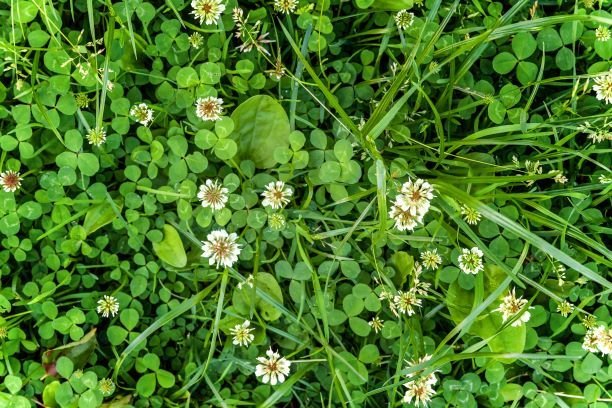
Broadleaf weeds have wider, net-veined leaves and often show small flowers or bright yellow flowers. Bindii, clover, dandelion, and creeping oxalis live here.
Sedges look like grass but have triangular, solid stems. Nutgrass and Mullumbimby Couch are the two you’ll meet in South East Queensland (SEQ).
A quick field test: roll a stem between your fingers. Round and hollow = grass. Flat with net veins = broadleaf. Three-sided and solid = sedge.
If you need any help identifying your lawn weeds, send us some photos via our contact us page and we will be happy to help identify and recommend a treatment.
Lawn Grub
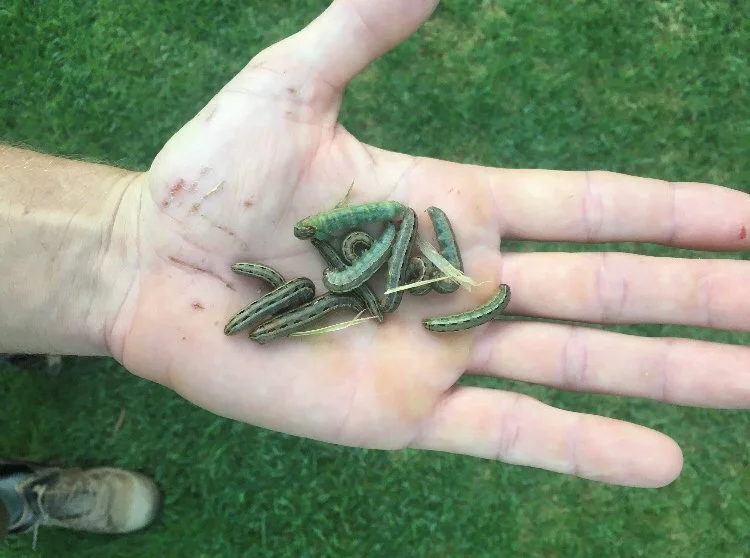
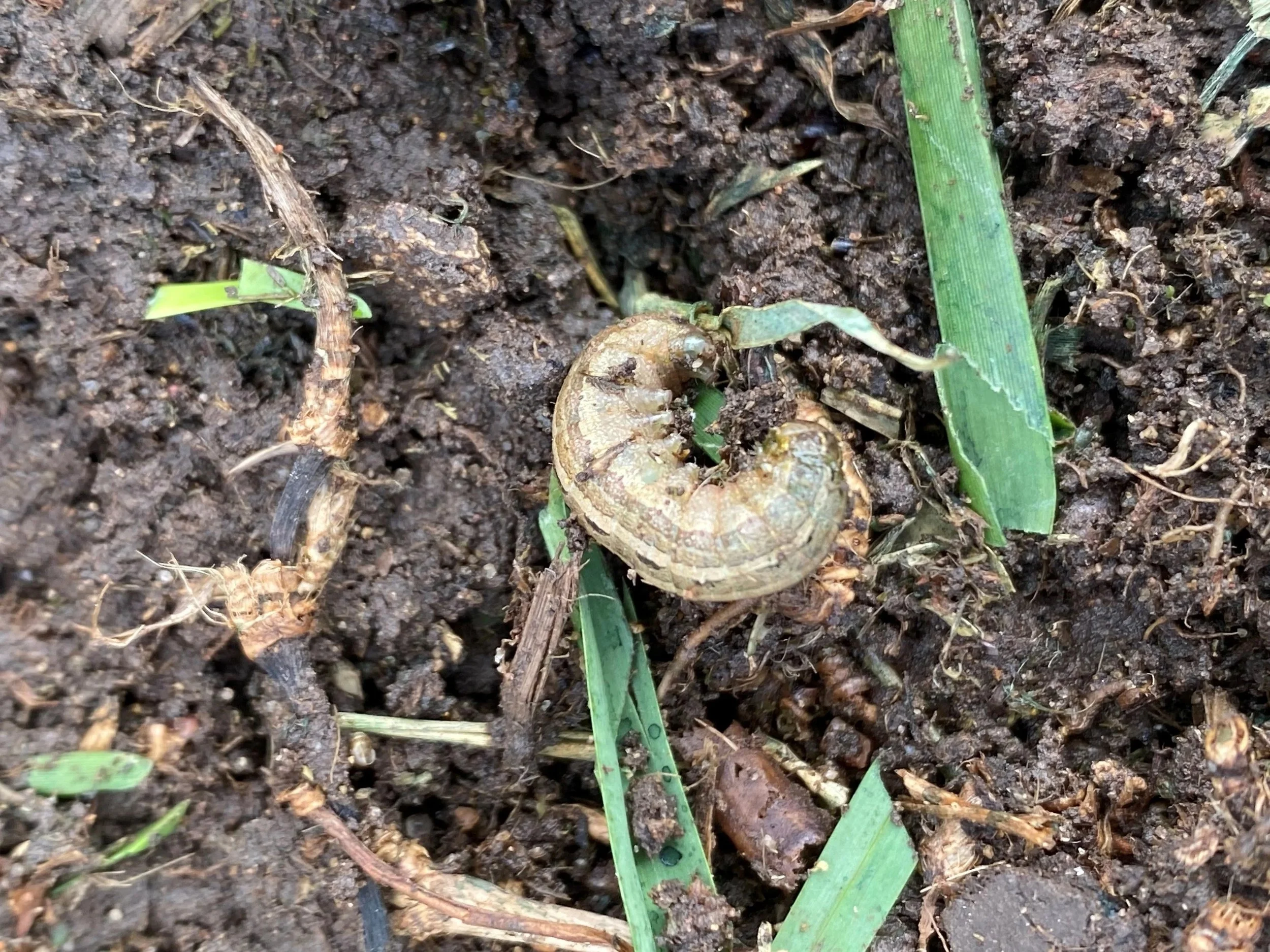
Armyworm (or the more common name, lawn grub) is a moth caterpillar that feeds on the turf foliage at night. The grubs come in large numbers and can cause rapid damage as they move across turf areas. An indicator that Armyworm is in your lawn is the presence of birds feeding in the early morning or late afternoon.
The eggs are laid in masses of 600-700 eggs that are covered with long, light brown hairs, these felt-like egg masses are cemented to leaves of trees and shrubs or on buildings close to lights and are often found on eaves and open ceilings
Brushing the egg masses off helps to physically control the insect, (we do not recommend hosing the eggs as this will wash the eggs into your turf)
The lawn armyworm is a native of Southeast Asia, Indonesia, Australia, and the South Pacific. The lawn armyworm is a serious problem and loves feeding on just about any lawn type. Severe damage to lawns is characterized by a completely denuded circular area sharply defined by a front of undamaged turf. With heavy populations of actively feeding larvae, this destruction may advance about 1 foot each night.
Lawn grubs should be treated with Acelepryn. This is both a treatment and a preventative and will give you 6 months’ worth of cover.
As a prevention, we recommend you maintain your lawn with regular mowing during the warmer months
Mites
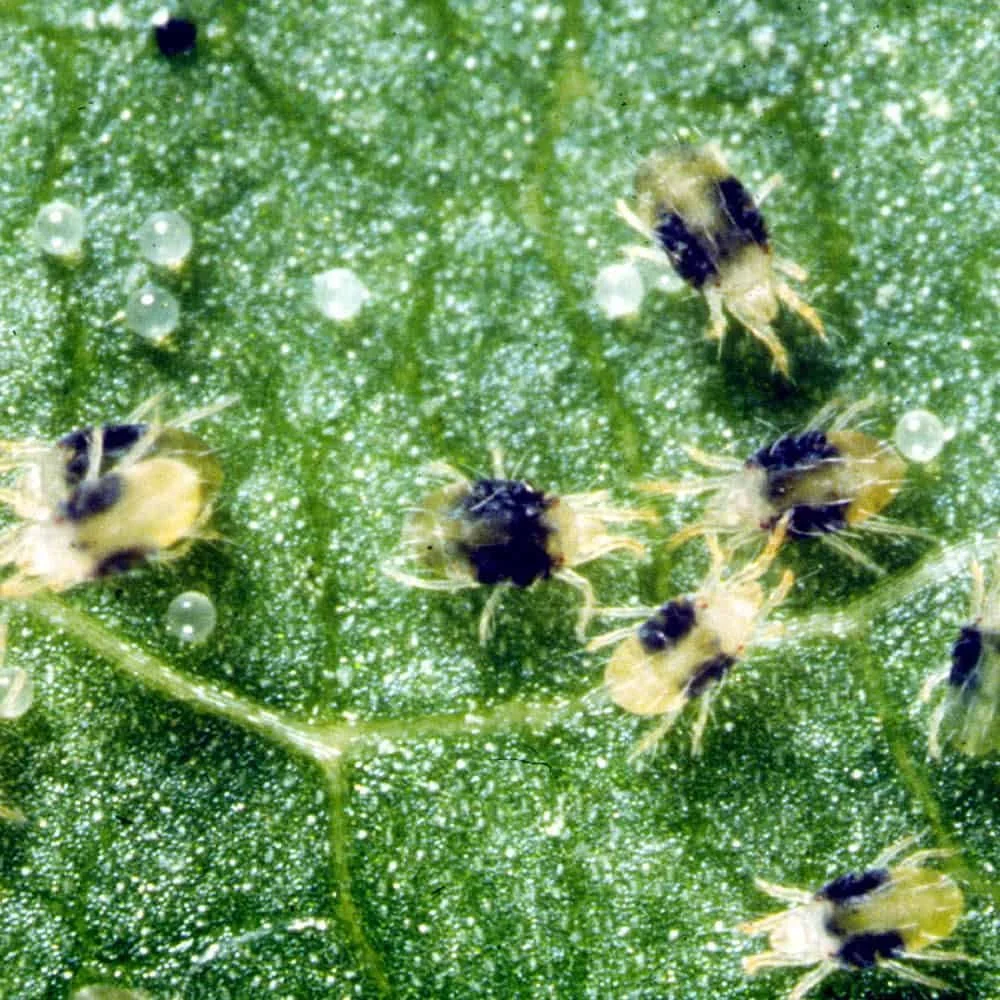
Couch mites are very tiny pests that cannot be seen with the naked eye. They live and feed amongst the leaf sheaths of your couch lawn and breed very quickly. Couch mites are active through summer, particularly during dry hot conditions. Infected lawn from couch mites can exhibit a slight yellowing of the leaf followed by a shortening of the leaves - stunting your lawns growth. Spread of couch mites can occur easily through lawn clippings or they can be dispersed in the wind. Treatment is to use a miticide which can usually be purchased through your local garden store.
Fire Ants
Fire ants are an invasive pest that threaten our environment, economy, health and lifestyle. Fire ants, like other invasive species, cause major problems in new environments.
This is because they:
compete with native species for food and shelter
prey on native animals
spread quickly, which makes them difficult to control.
Fire ants thrive in Australia's climate, and their numbers can grow quickly without predators to stop them. Given that they don't have natural enemies in Australia, fire ants can cause widespread damage by:
preying on native wildlife—eating insects, reptiles, birds and mammals
eating seeds and disrupting ecosystems
taking over food sources and nesting areas
threatening ground-nesting birds by attacking their eggs and hatchlings.
Varied sizes
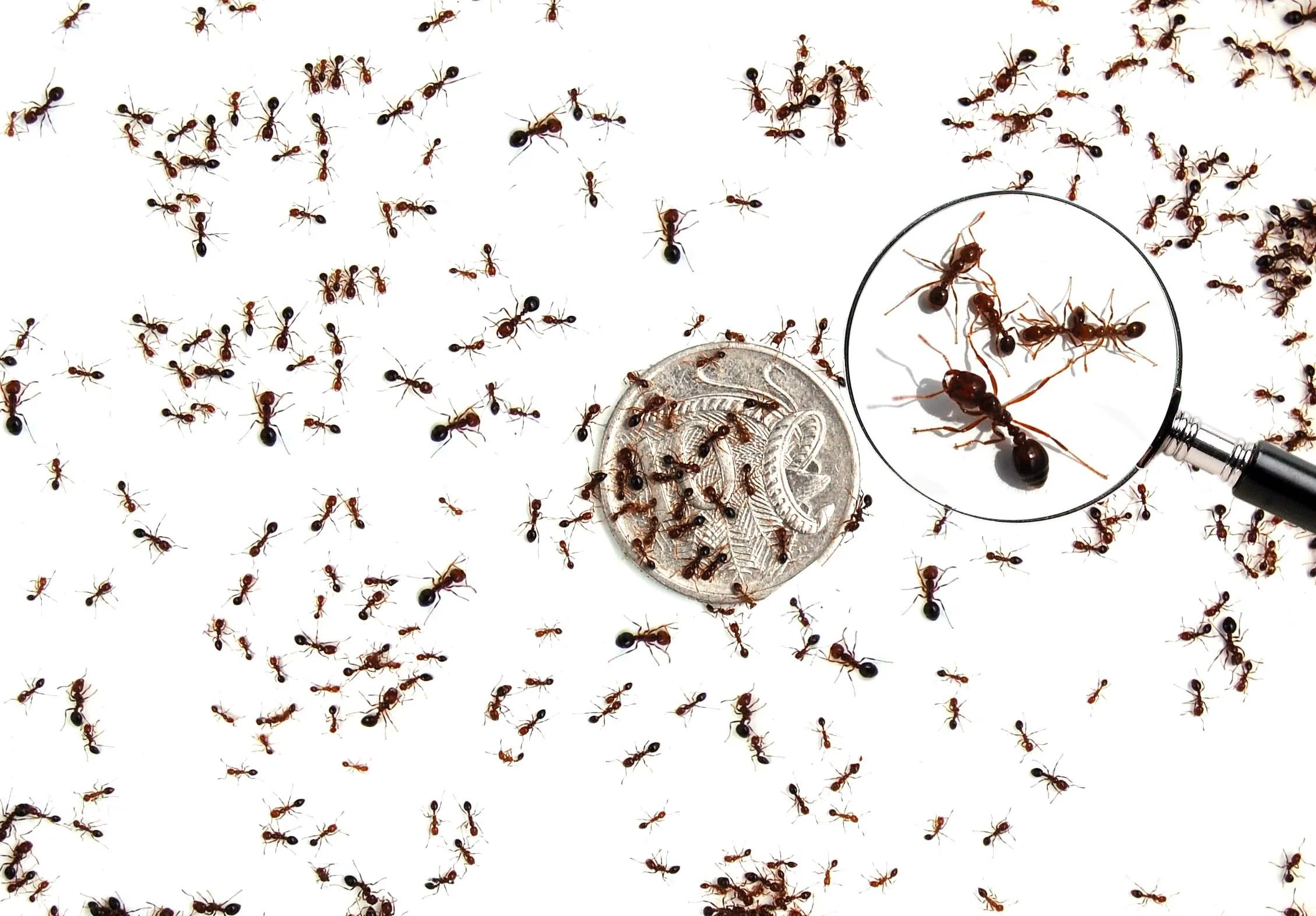
Fire ants vary in size, even when they're from the same nest. Fire ant workers vary from 2mm to 6mm in length.
Copper-brown colouring
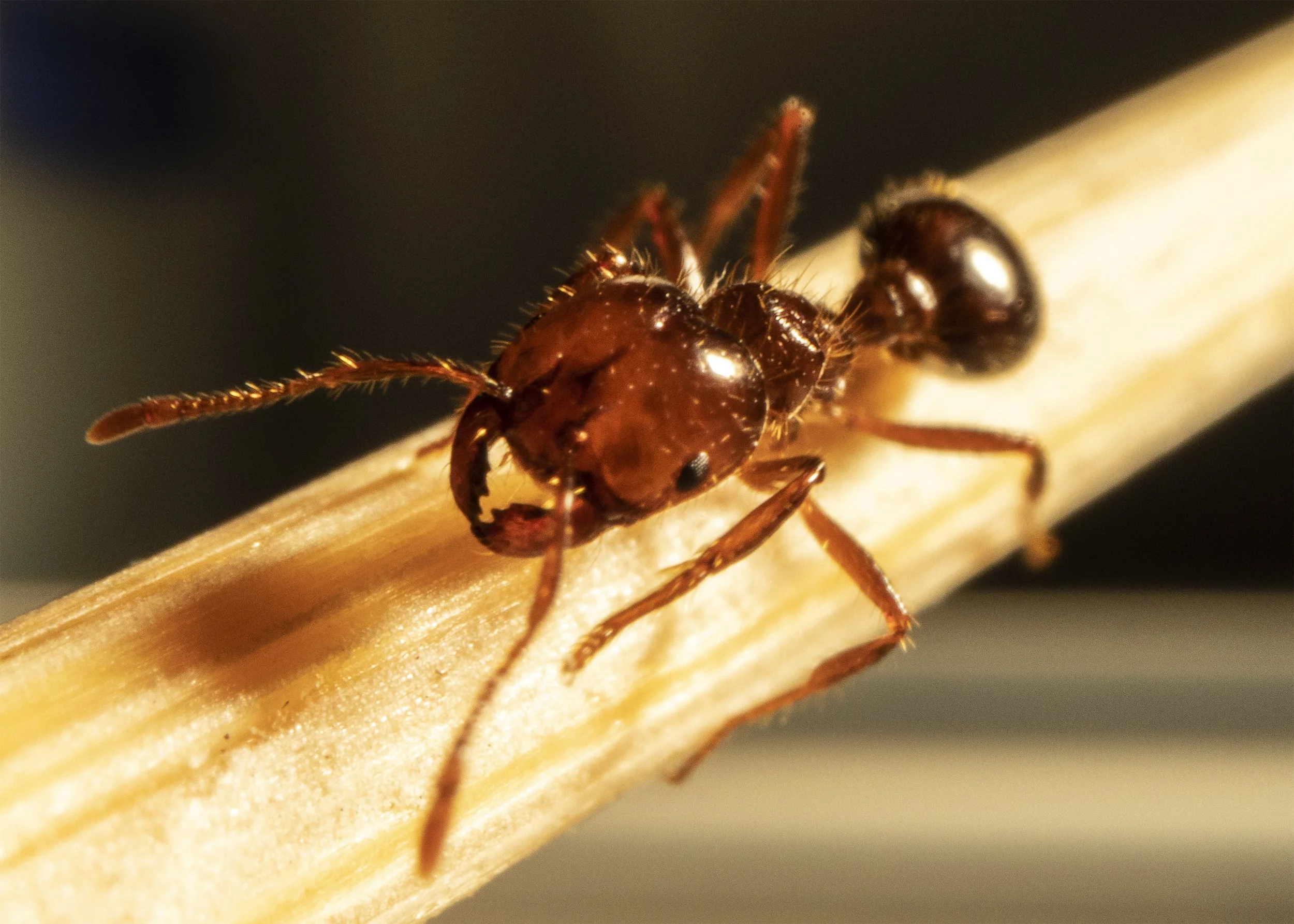
Fire ants have a copper-brown body, with a darker abdomen.
Aggressive behaviour
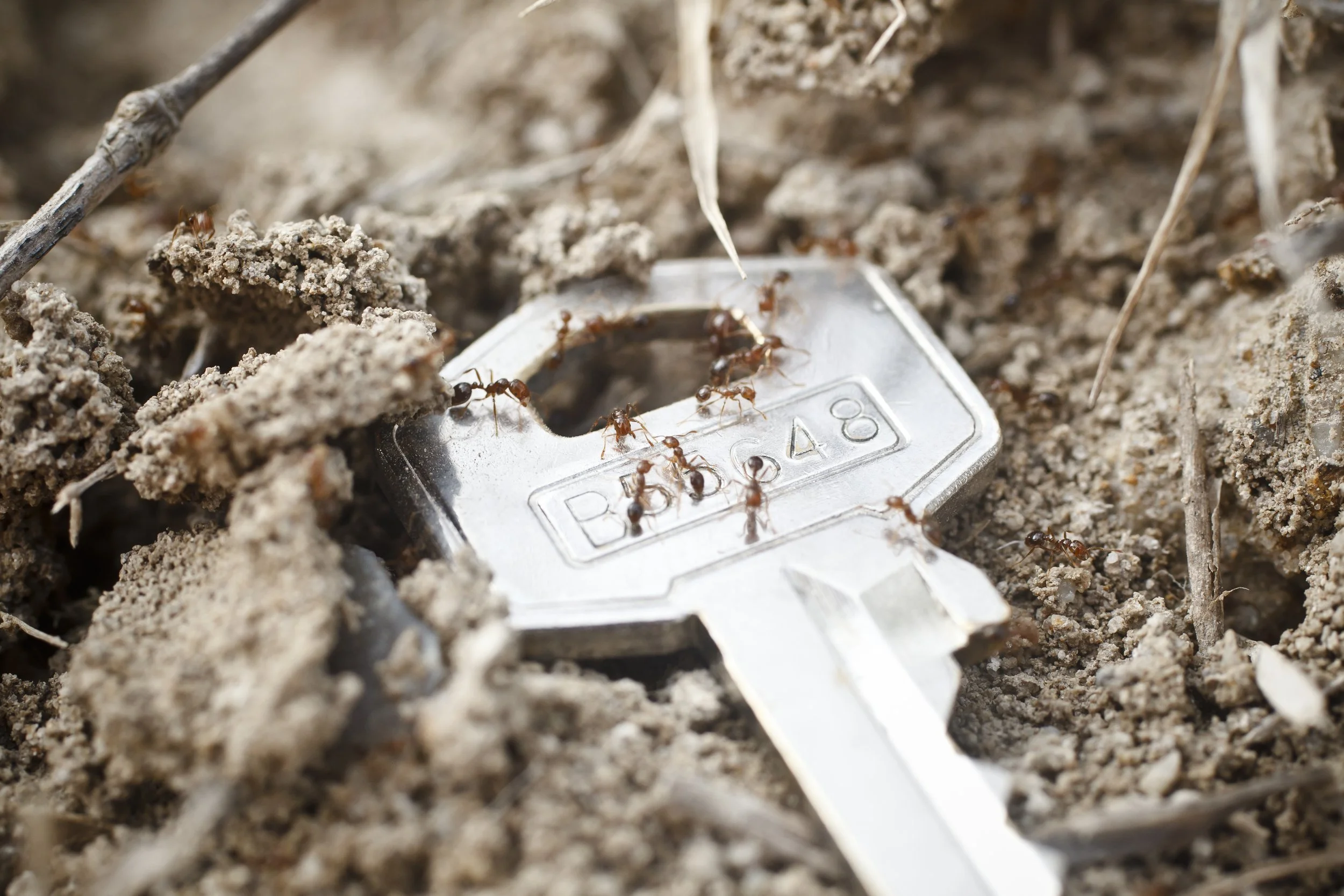
Fire ants are aggressive when their nests are disturbed. They respond to disturbances by swarming and repeatedly stinging.
Report to the fire ant eradication team here and treat with their free treatment kit, or use Monarch Insecticide.