How to Maintain Your New Lawn
From mowing to watering, keep your lawn happy and healthy with our lawn tips below
Mowing
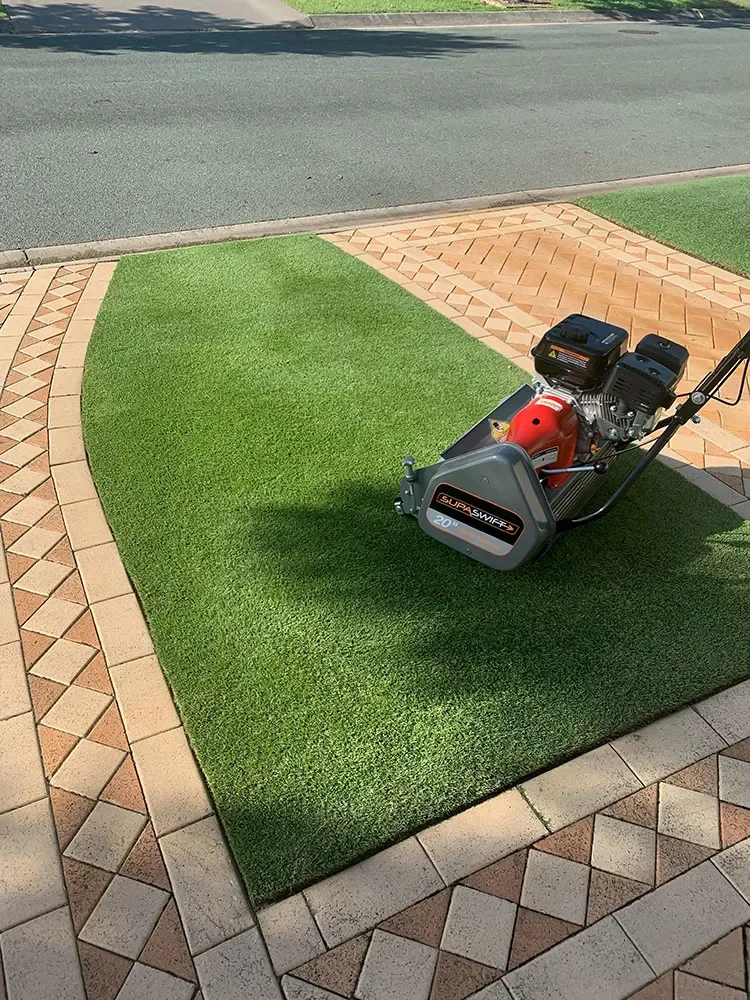
Mowing your lawn
Managing your mowing is a key part of maintaining a healthy, lush green lawn.
The rule of thumb is to only cut one third of the leaf per mow – no more.
Many Australians tend to mow too low which can cause problems such as scalping which stresses your lawn.
The lawn variety, your conditions and the season determines how high or low you mow.
-
Sir Walter
Cut to 3.5cm–4.5cm in full sun, or 5cm–7cm in shade. Don’t scalp it — Buffalo prefers to be kept a bit higher.
Mow every 7–10 days in warmer months, and every 3–6 weeks in colder months.Sapphire
Cut to 2cm–5cm in sun or light shade, or 5cm–7cm in heavier shade.
Mow every 5–10 days in warmer months, and every 3–6 weeks in colder months. -
Empire / Nara / Augusta
Cut to 2cm–5cm in sun, or 5cm–7cm in shade.
Lower cuts resemble Couch lawn, higher cuts resemble Fescue lawn.Mow every 2 weeks in warmer months, and every 3–8 weeks in colder months.
-
Wintergreen
Cut to 1.5cm–2.5cm - low and tight is best.
Mow every 5-10 days depending on fertiliser use.
Every 3-6 weeks in winter - never remove more than ⅓ of the leaf blade. -
IronCutter
Cut to 1.5cm–2.5cm in sun or light shade, up to 3cm for less maintenance.
Mow every 5–10 days in warmer months (more if fertilised), and every 2-4 weeks in colder months. -
Keep blades sharp
Clean your mower after use
Maintain regular servicing
Ensure air filter is not blocked
Use fresh fuel.
Watering
When to water
Water when you see:
Curled leaf blades (in the evening)
Blue-grey colour
Footprints or mower tracks remain visible
Your lawn can go dormant (brown) and survive 3–4 weeks during dry periods.
Best watering practice
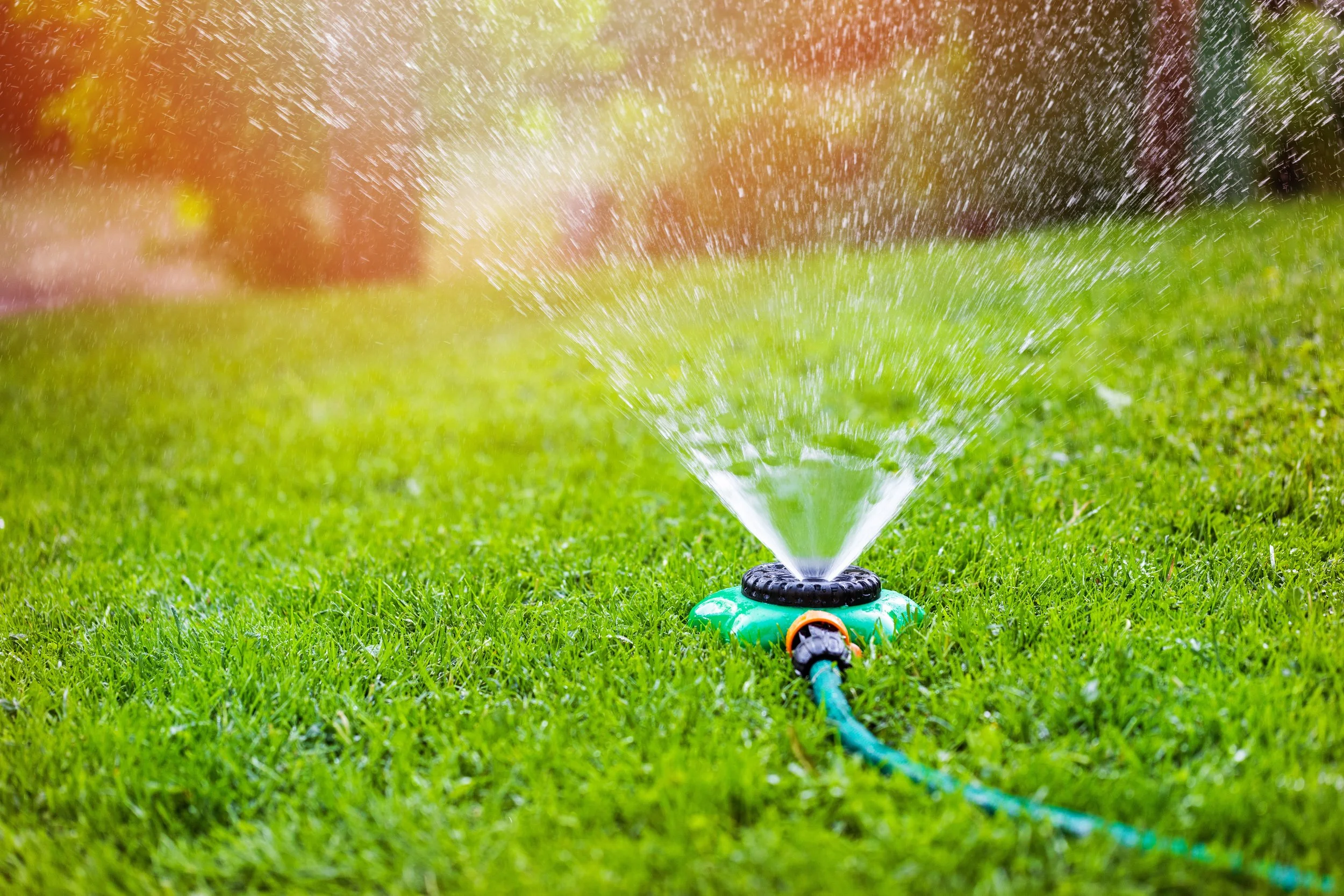
Water early in the morning
Water deeply but less frequently.
Encourage deeper root growth.
Other factors to consider
Healthy soil conditioning is essential
Use aeration and fertiliser
Choose grass suited to your region.
Fertilising
When to fertilise
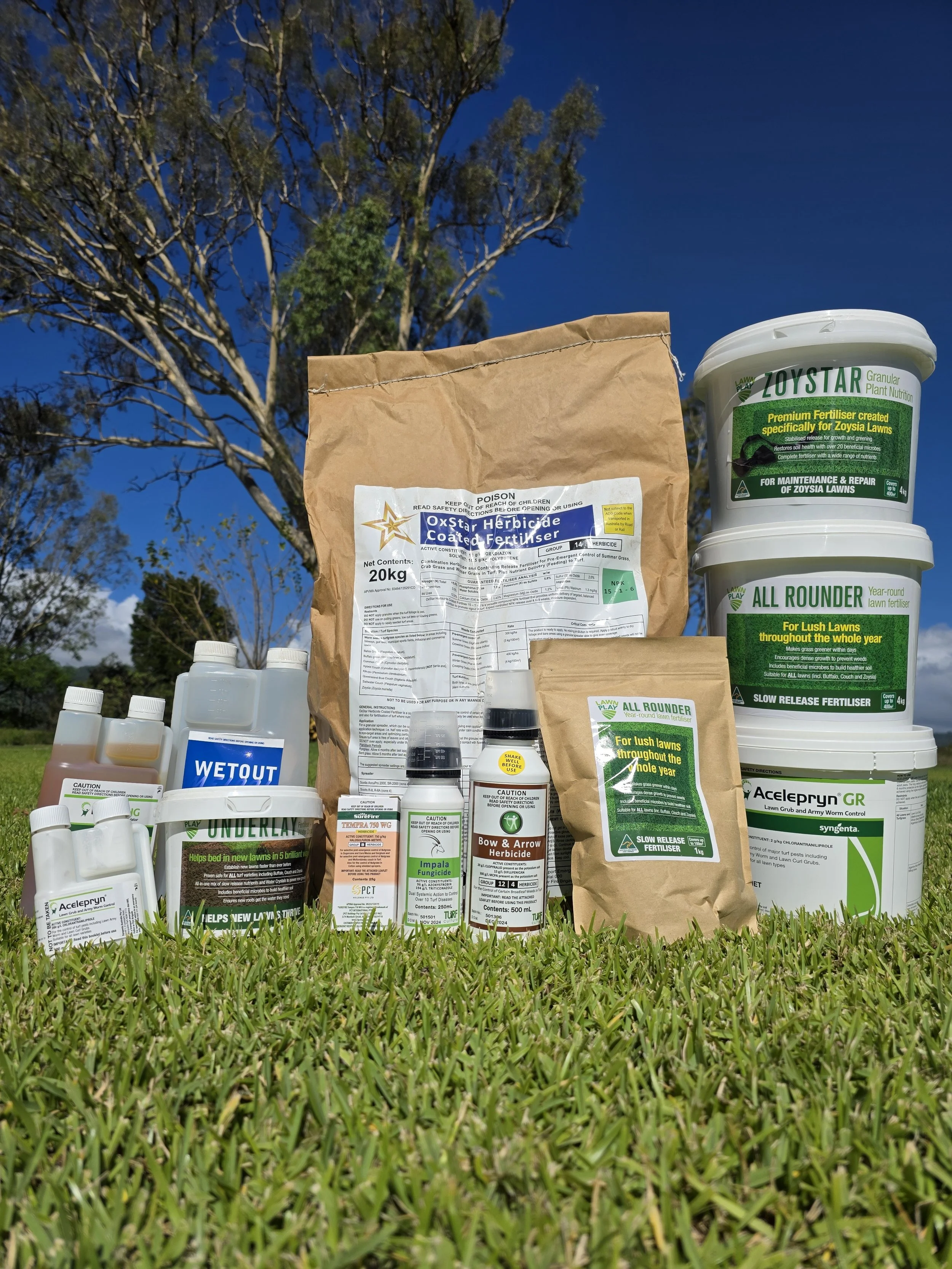
Fertilising your lawn is one of the best things you can do to ensure health and strength for all conditions and seasons.
For the best results with fertiliser application, we recommend feeding your lawn at least 3 times per year:
Early Spring
Early Summer
Mid to Late Autumn
If you need assistance with what fertiliser will suit your lawn best, give our office a call on 07 5541 7000 (Gold Coast) or 07 5494 5616 (Sunshine Coast).
Other factors to consider
Avoid fertilising:
During extreme heat
Before heavy rain
When frost is expected
Fertiliser should be watered in after application unless the product instructions state otherwise.
Consider upcoming rainfall.
Avoid applying before heavy downpours that may cause runoff.
More fertiliser does not equal better results.
Follow label recommendations.
Over-application can lead to excessive growth, nutrient runoff, and lawn burn.
If pets or children use the lawn regularly:
Choose products suitable for residential use.
Follow recommended waiting periods before returning to the lawn.
Drought Care
Lawn care during drought
Warm season grasses (Buffalo, Couch, Zoysia) are drought tolerant and enter dormancy under stress.
Dormant vs dead
Dormant: crown is white/off-white → still alive
Dead: dry, brown, brittle throughout.
Drought mowing advice
Avoid mowing during drought
Cut at highest recommended height
Taller grass retains moisture better.
Additional drought tools
Use wetting agents to improve absorption
Maintain mowing height
Monitor lawn response.
Drought survival tips
Remove organic litter (thatch, leaves, debris)
Aerate soil to improve water and nutrient flow
Reduce lawn traffic
Water deeply but less frequently.
Water early morning (6am–10am). Avoid evening watering to prevent fungal issues.
Important notes
Do not store grey water >24 hours
Avoid use during rain or saturated soil
Use low-phosphorus detergents