How to get started with your lawn
Before you make the exciting decision about purchasing your new lawn, we suggest you consider the following questions to help guide you on what variety will best suit your region, home and lifestyle.
-
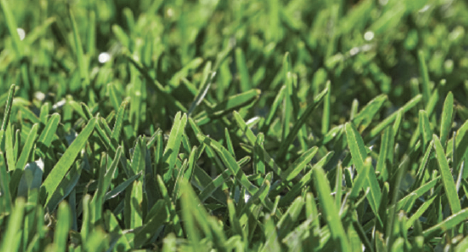
Buffalo grasses
Known for shade tolerance
Broad leaf appearance
Soft underfoot
Suitable for family lawns and shaded areas
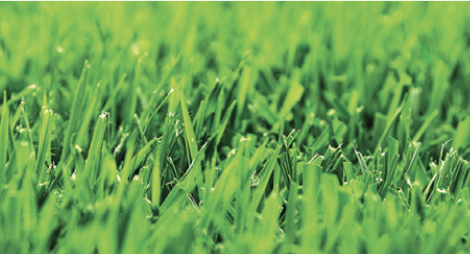
Zoysia grasses
Fine to medium leaf
Very low maintenance
High drought tolerance
Slower growth rate
Ideal for low-maintenance homeowners
Very good at handling salty environments (such as coastal areas and saline waterways).
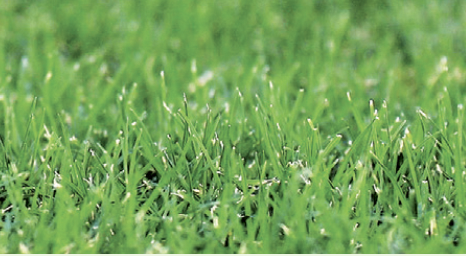
Couch grasses
Fine leaf
High wear tolerance
Fast growing
Requires more maintenance
Ideal for active areas and sports
Very good at handling salty environments (such as coastal areas and saline waterways).
-
The appearance and feel of your lawn is heavily influenced by leaf size and texture.
Broad leaf
Softer feel
Lush appearance
Typically Buffalo varieties
Medium leaf
Balanced appearance
Moderate maintenance
Typically Zoysia varieties
Fine leaf
Denser appearance
Can be used for high-end finish
Typically Couch or Augusta Zoysia
-
Different turf varieties offer different characteristics depending on how you intend to use your lawn.
What is your yard going to predominantly be used for?
Young kids and pets?
Active lifestyle?
Aesthetic appearance?
Does your yard have sun or shade?
Shade = large trees, fence lines, shadow from houses
How much sun will your lawn/yard get each day (hours)?
If you have shade – the best varieties are Buffalos
But if you have 3–4 hours sunlight a day you could consider a Zoysia as well
Drought tolerance?
All grasses require water, but some perform better with less water than others because of their drought hardiness.
Varieties ranked in level of drought hardiness are; Couch, Zoysia and Buffalo.
(Always be mindful of your Local Council’s Water restrictions).
Native grass?
Nara Native Zoysia was born and bred in Australia and is ideal for local conditions.
Nara Native Zoysia is great native grass, high in drought tolerance, soft underfoot and performs better than many other turf varieties.
Low maintenance?
How much mowing do you want to do?
Are you a person who loves to spend time mowing your lawn?
Low maintenance lawns are slower growing varieties such as (in order of maintenance) Zoysias, Buffalo and Couch.
You can treat all of them as high mowing lawns if you continue to fertilise and water. However, you can benefit from the slow growing characteristics of Zoysia grasses by not excessively watering and fertilising.
Soil type?
Before you lay new turf, you need a minimum of 100mm of good quality composted organic soil.
The healthiness of your new lawn ultimately depends on your soil depth and quality.
Salt tolerance?
Not all grass species are equal in salt tolerance.
Cost vs quality?
When dealing with an ALC or Glenview Turf you can be assured that quality is a top priority.
All our lawns are grown in accordance with best practice management.
-
Before you take delivery of your new lawn the site must be prepared properly with any old existing rubble, grass or weeds removed and new soil prepared.
Now is also the time to consider whether you want to install a new irrigation system. Doing this later will disturb your turf and may cause some temporary damage.
Australian Lawn Concepts and Glenview Turf can provide you with helpful tips as well as preparation guides or can organise a quote to prepare and lay your new turf.
-
Turf is generally harvested the day before delivery. This means that when you receive your turf, it can be already around 24-hours old. The key advice is to install your new turf immediately.
How long can I leave the turf on a pallet?
Depending on the time of year, once received your turf needs to be laid as soon as possible as it will heat up on the pallet if left for an extended period and cause heat burn damage to your turf.
You will have a bit more leeway during winter, but it will still heat-up. During summer it is important
to lay the turf immediately.What is heat burn on a pallet?
Heat burn is caused by the turf sitting too long on a pallet and then heating up from the centre due to it being a living product and still producing heat from fertilizer after harvest.
Heat burn begins at the time of harvest and continues until the turf is removed from the pallet, therefore the longer the turf is left on the pallet the more damage can occur.How much turf is on a pallet?
The amount of turf on a pallet can vary but an average full pallet is about 50 metres.How much does a pallet of turf weigh?
A 50m2 pallet can weigh up to 1 tonne but may vary from 700 kilograms to 1.2 tonnes.How will my turf be delivered?
Turf will be delivered typically on a truck.
The truck will vary in size from a small 10 tonne to a large semi-trailer carrying 22 tonnes.This has implications for accessibility of your delivery truck to your home.
When ordering your turf, please alert us to any challenges that may need to be addressed when accessing your yard.Time of delivery?
Whilst everyone would like an early delivery of their new turf, typically, the distance from farm to your house means that it may not arrive until later in the day. Most importantly, the speed in which you lay and water your new turf will help its establishment.Time of year for delivery?
Any time of year for most turf types is fine – region dependent.
During the hot weather it is important to immediately lay your new turf once delivered and keep the soil moist down to at least 15cm deep.
During the cooler months it is important to remember that the lawn will take longer to establish as the ground is cold.
Always consider the establishment period prior to laying and when you want to be able to use it. If you want your new lawn ready for Christmas, plan well in advance (up to six weeks) so effective strong growth can occur to withstand lots of traffic.